For most of us, a vehicle is more than a machine. It’s early morning tea runs, sudden highway plans, family errands, and sometimes a place to sit quietly when the day feels too loud. We get the oil changed, renew insurance on time (or slightly late), maybe even polish it once in a while. But the number plate? That usually stays invisible—until it doesn’t.
Over the last few years, high-security number plates have moved from obscure regulation to everyday necessity. Not because people suddenly love rules, but because enforcement has become real. You see challans issued more often. You hear stories from friends who were stopped “just for checking.” And slowly, the message sinks in: this is something you can’t ignore forever.
High Security Number Plates, or HSRPs, weren’t introduced to make life complicated. At least not on paper. They exist to reduce vehicle theft, stop fake registrations, and create a uniform system across states. Each plate comes with a laser-etched code, a hologram, and snap locks that make it difficult to tamper with. It’s boring tech, but effective tech. And sometimes boring is exactly what works.
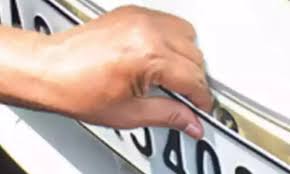 If your vehicle was registered before April 2019, chances are you’re required to upgrade. That’s where confusion usually begins. People ask around. They Google half-phrases. They click random links. Somewhere in that process, they land on searches like book my high security no plate ↗ , usually typed in a hurry, usually because someone said “they’re fining people now.”
The thing is, the online booking system is actually one of the smoother government-adjacent processes we have right now. You enter your registration number, engine and chassis details, choose a fitment center, pick a time slot, and pay online. That’s it. No bargaining, no agents hovering around, no mysterious “extra charges.” You show up on the chosen day, they fix the plates, and you’re done in minutes. Sometimes less time than it takes to find parking.
Of course, reality isn’t always perfect. Some centers are overcrowded. Some staff members are clearly having a bad day. And yes, websites occasionally crash at the worst possible moment. But compared to the old RTO routines—forms, photocopies, long waits—it’s still refreshingly straightforward.
What’s often overlooked is why the government pushed this so hard. Vehicle theft in India isn’t a small problem. Cloned plates are used for crimes that leave innocent owners dealing with police visits and endless explanations. A standardized, traceable plate makes those things harder. Not impossible, but harder. And when systems are built to reduce even a fraction of misuse, they tend to stick around.
There’s also an unspoken benefit: fewer unnecessary conversations with traffic police. When your plate looks exactly how it’s supposed to look, there’s less room for doubt, fewer “side checks,” and less time wasted proving something that shouldn’t need proving in the first place.
Another search that pops up frequently is book my high security number plate ↗, usually from people who’ve already tried understanding the process and just want a reliable, official route. It’s smart to be cautious here. Always ensure you’re using a government-authorized portal for your state. There are copycat sites that look convincing but add hidden fees or, worse, disappear after payment. A quick check on your state transport department’s website can save you that headache.
Cost-wise, HSRPs are fairly reasonable. The price varies slightly depending on whether you have a two-wheeler, four-wheeler, or commercial vehicle, but it’s generally in the range of what you’d spend on a tank of fuel or a decent dinner out. For something that stays with the vehicle for life, it’s not an unreasonable ask.
What’s interesting is how people’s mindset changes after getting it done. There’s a small sense of relief. One less compliance task hanging in the background. One less thing to worry about during routine checks. It doesn’t feel dramatic, but it feels complete—like ticking off a box you’d been avoiding for too long.
The color-coded windshield sticker that comes along with HSRP is another quiet addition. Blue for petrol, green for electric, orange for diesel. It seems trivial, but it helps with emissions checks and toll-related systems. Together, these small identifiers feed into a larger data ecosystem that helps manage traffic, pollution, and enforcement more efficiently.
Critics will say it’s just another way to collect fees. Supporters will say it’s about safety and standardization. As usual, the truth probably sits somewhere in between. But as a vehicle owner, the question isn’t philosophical. It’s practical. Is this required? Yes. Is enforcement increasing? Definitely. Is the process manageable? Surprisingly, yes.
At some point, compliance stops feeling like obedience and starts feeling like self-preservation. Not because you’re afraid of fines, but because you value your time, your peace of mind, and your ability to move through the city without friction.
So if you’ve been postponing it—telling yourself you’ll do it “next month” or after the next service—maybe now’s a good moment. Put on some music, open the booking portal, and get it done. It’s not exciting. It’s not emotional. But it’s one of those small, responsible acts that quietly make life smoother.
And in a country where smooth days are rare, that’s worth something.