There’s a particular kind of task we all tend to postpone. Not because it’s hard, exactly, but because it feels official. Administrative. Slightly annoying. For many vehicle owners, getting a High Security Registration Plate falls squarely into that category. You know it’s important. You’ve heard it’s mandatory. And yet, months pass before you actually sit down to deal with it.
That hesitation isn’t laziness. It’s uncertainty mixed with mild dread. Government rules have a reputation for being confusing, and anything involving vehicles tends to come with queues, paperwork, and conflicting advice. So it’s only natural that people drag their feet, hoping clarity will arrive on its own.
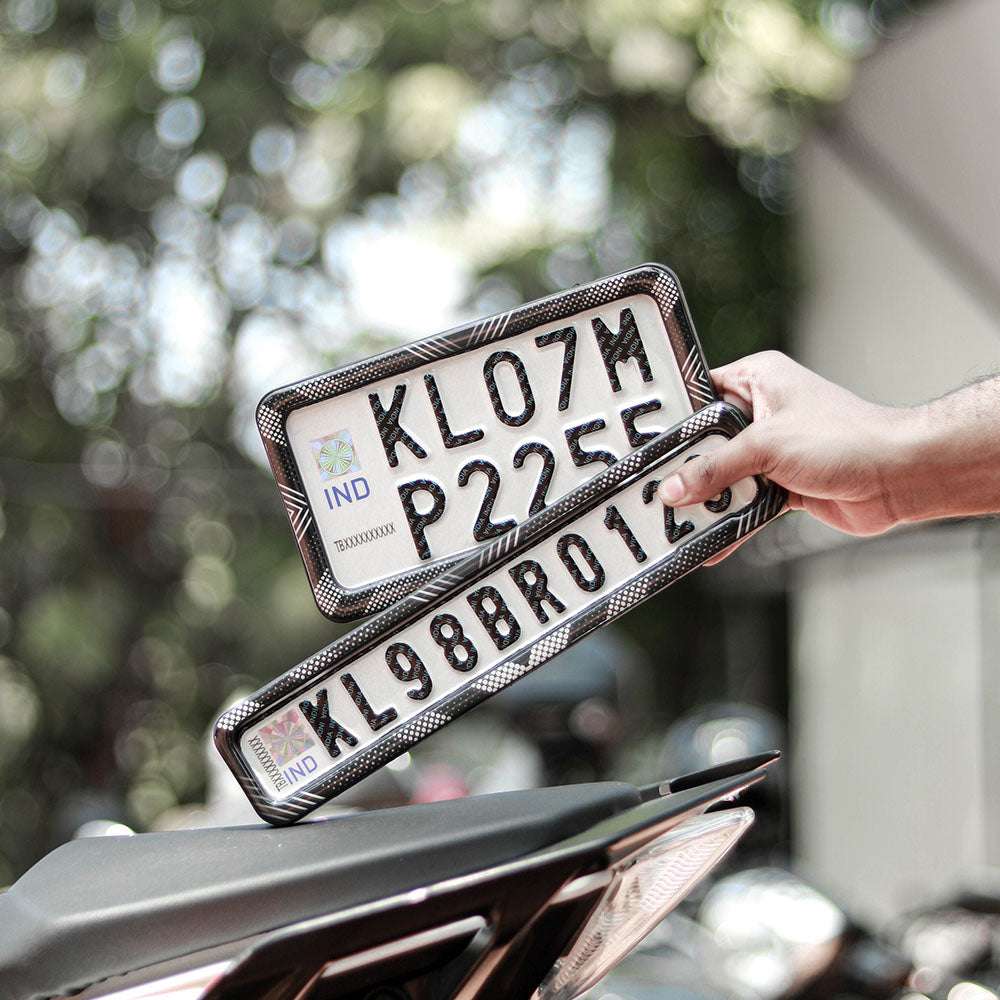 HSRPs were introduced with a clear purpose: standardize number plates across India and make them harder to tamper with. These plates include security features like laser-etched codes and holograms that help prevent duplication and misuse. On paper, it’s a sensible move. In reality, the rollout took time to settle, and that early confusion still lingers in people’s minds.
For a long while, no one was quite sure how urgent the change really was. Deadlines seemed flexible. Enforcement varied by state. Some people installed the plates immediately, while others waited to see what would happen. This “wait and watch” approach became the norm, especially for owners of older vehicles.
What changed things wasn’t a sudden crackdown, but something quieter: the process became easier. Online booking transformed an unclear requirement into a series of manageable steps. Instead of relying on local agents or rumors, vehicle owners could finally see the process laid out in front of them.
For many, the moment of relief arrives when they search for book my hsrp ↗ and realize there’s a structured, official system behind it. You enter your vehicle details. You choose a fitment center. You select a time slot. It’s not glamorous, but it’s clear. And clarity is often the biggest hurdle with compliance-related tasks.
That clarity reduces mental friction. When you know what to expect, the task stops feeling heavy. You’re no longer wondering if you’ll be overcharged or sent away for missing documents. You’re just following instructions, like you would for booking a train ticket or scheduling a service appointment.
Of course, not every experience is flawless. Some people report delays in plate availability. Others mention crowded fitment centers or rescheduled appointments. These hiccups are real, and they can be frustrating, especially if you’ve planned your day around the visit. But the important part is that the process usually moves forward. There’s a clear endpoint, and most people reach it without too much drama.
One underrated benefit of getting an HSRP is the mental relief afterward. It’s a one-time task. Once it’s done, it’s done. No renewals. No follow-ups. In a world full of recurring responsibilities—insurance, servicing, pollution checks—that finality feels surprisingly good.
There’s also the matter of enforcement anxiety. Traffic rules are tightening in many places, and fines for non-compliance can be steep. Even if you’re a careful driver, being stopped for something as basic as a number plate can feel irritating and avoidable. Having an HSRP installed removes that background worry. It’s one less reason to tense up at a checkpoint.
Beyond individual convenience, there’s a broader safety angle. Standardized plates make it harder for stolen vehicles to disappear. They help authorities identify vehicles more accurately in case of accidents or crimes. You might never directly see the impact, but systems like these work best when most people participate.
As the process has matured, so has the way people talk about it. Early conversations were full of doubt and second-guessing. Now, there’s a matter-of-fact tone to it. Searches for book my hsrp com ↗ aren’t about whether the rule applies anymore; they’re about getting it done efficiently. That shift in mindset says a lot.
It suggests that the system, while not perfect, has become usable. And usability is everything. People are far more willing to comply with rules when the path to compliance is clear and fair. They don’t need perfection. They just need to feel that their time and money aren’t being wasted.
Another thing that’s helped is shared experience. Friends, colleagues, and family members who’ve already gone through the process tend to demystify it for others. “It wasn’t that bad,” they say. “Took about an hour.” Those small reassurances carry weight. They turn a vague fear into a known quantity.
If you haven’t booked your HSRP yet, it’s worth asking yourself what’s really stopping you. Is it confusion? Habit? The hope that enforcement will stay relaxed? Often, it’s just that the task hasn’t felt urgent enough. But urgency has a way of showing up at inconvenient times—during a traffic stop or right before a deadline.
Doing it on your own terms is usually better. You choose the timing. You avoid panic. And once it’s done, it fades into the background of your life, where it belongs.
In the end, an HSRP won’t change how your car drives or how the roads feel. It’s not exciting, and it’s not meant to be. But it represents something quietly important: a system slowly learning how to meet people halfway.